Aging & Glycation: The Hidden Skin-Aging Process (And How to Slow It Down)
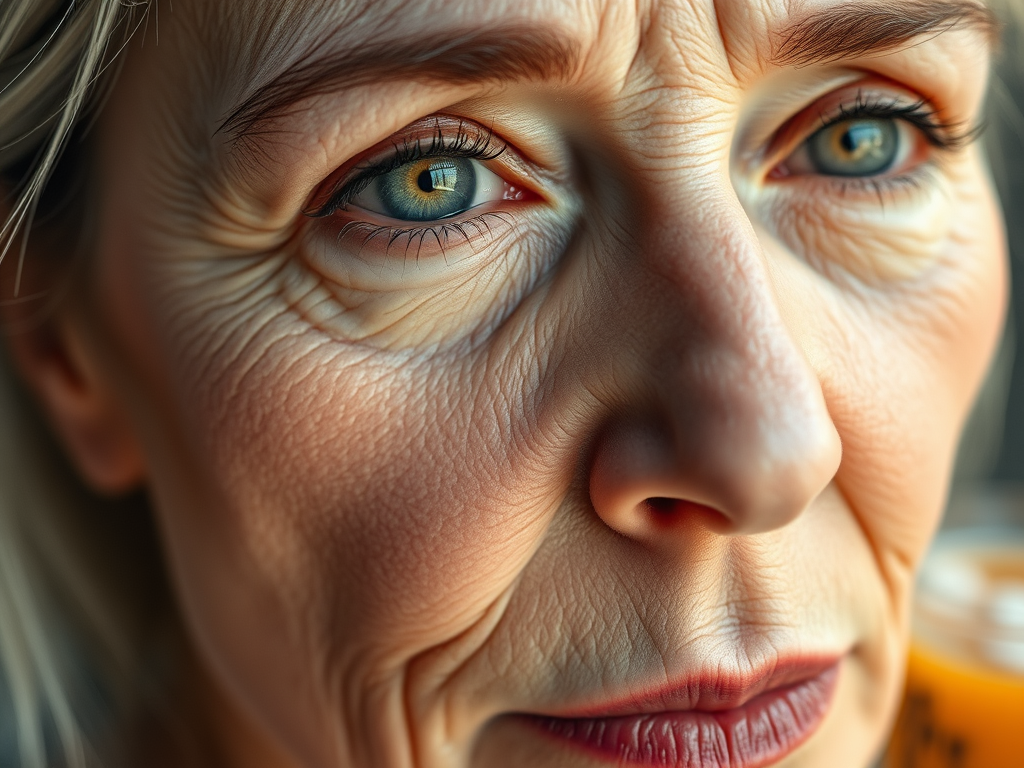
We all know aging is natural — but have you ever noticed some people seem to age faster than others? Fine lines, wrinkles, sagging, rough texture, and a dull appearance often connect to something deeper than genetics or sun exposure.
The culprit is glycation, one of the most overlooked causes of premature aging.
What Is Glycation?
Glycation is a biochemical process that occurs when excess sugar molecules bond to proteins like collagen and elastin. When this happens, the body forms (Advanced Glycation End Products (AGEs))and they literally “age” the skin from the inside out.
Glycation can:
– Break down collagen and elastin
– Create deeper wrinkles
– Cause sagging and loss of structure
– Lead to dull, yellow, or sallow skin tone
– Increase inflammation and irritation
– Slow down healing
Think of collagen like a soft, springy mattress. Glycation makes it stiff, brittle, and weak.
What Causes Glycation?
Sugar is the biggest trigger, but it’s not just desserts. Many everyday habits accelerate glycation and speed up visible aging.
Top lifestyle contributors:
– High-sugar diets
– Processed carbs (white pasta, bread, chips)
– Sugary drinks and sweetened coffee
– Alcohol
– Smoking and vaping
– Lack of sleep
– Chronic stress
– UV exposure
– How foods are prepared can greatly change the AGES per 100 grams of food
If your skin feels puffy, dull, rough, or tired after a period of poor diet or stress, glycation may be at play.
How Glycation Shows Up on the Skin
You may notice:
– Fine lines turning into deeper wrinkles
– Loss of firmness or volume
– Crepey or thinning skin
– Yellow or gray undertones
– Increased inflammation or redness
– Slow healing
Glycation can also worsen acne, puffiness, and rosacea because AGEs trigger inflammation in the skin.
How to Slow Down Glycation
1. Control Blood Sugar
You don’t need to cut carbs completely — just balance them.
– Pair carbs with protein and fiber
– Avoid sugary drinks
– Choose nutrient-dense meals over processed snacks
– Limit late-night sugar cravings
– Prioritize balanced meals to avoid spikes
Stable blood sugar = healthier skin.
2. Increase Antioxidants
Antioxidants help fight glycation and repair damaged collagen.
Look for:
– Vitamin C
– Vitamin E
– Alpha lipoic acid (ALA)
– Niacinamide
– Resveratrol
– Green tea extract
These ingredients reduce inflammation, brighten the skin, and protect collagen.
3. Use Anti-Glycation Skincare
Topical ingredients make a huge difference long-term.
Effective options include:
– Vitamin C
– Retinol or retinaldehyde
– Peptides
– Niacinamide
– Hyaluronic acid
– AHAs like glycolic acid
Professional brands such as Circadia, GlyMed Plus, and Dermalogica offer clinically backed anti-aging formulas for preventing glycation damage.
4. Professional Treatments That Help Reverse Glycation Damage
– Chemical peels
– Facial massage or microcurrent
– LED light therapy
– Microneedling
– Firming/peptide facials
These boost collagen, improve texture, and restore elasticity.
5. Reduce Overall Inflammation
Small lifestyle adjustments make a huge difference:
– Omega-3 rich foods
– Daily hydration
– Stress management
– Prioritize sleep
– Limit alcohol and smoking
A healthy body reflects in healthy skin.
Want Personalized Anti-Aging Guidance?
If you’re noticing early signs of aging, dullness, loss of elasticity, or slow healing, a customized skin plan can truly transform your results.
I offer professional skin consultation where we:
– Analyze your skin health
– Identify the causes of premature aging
– Build a personalized treatment and product plan
– Create an at-home anti-aging routine
– Recommend pro-grade skincare designed for long-term results
✅ Ready for healthier, younger-looking skin?
Book a consultation with me today and let’s create a plan tailored to your skin’s needs.
👉 https://linktr.ee/Caitlinmabry
—
Glycation may be invisible at first, but your skin remembers everything.
Small, consistent habits protect your collagen and your future glow.
Leave a Reply